
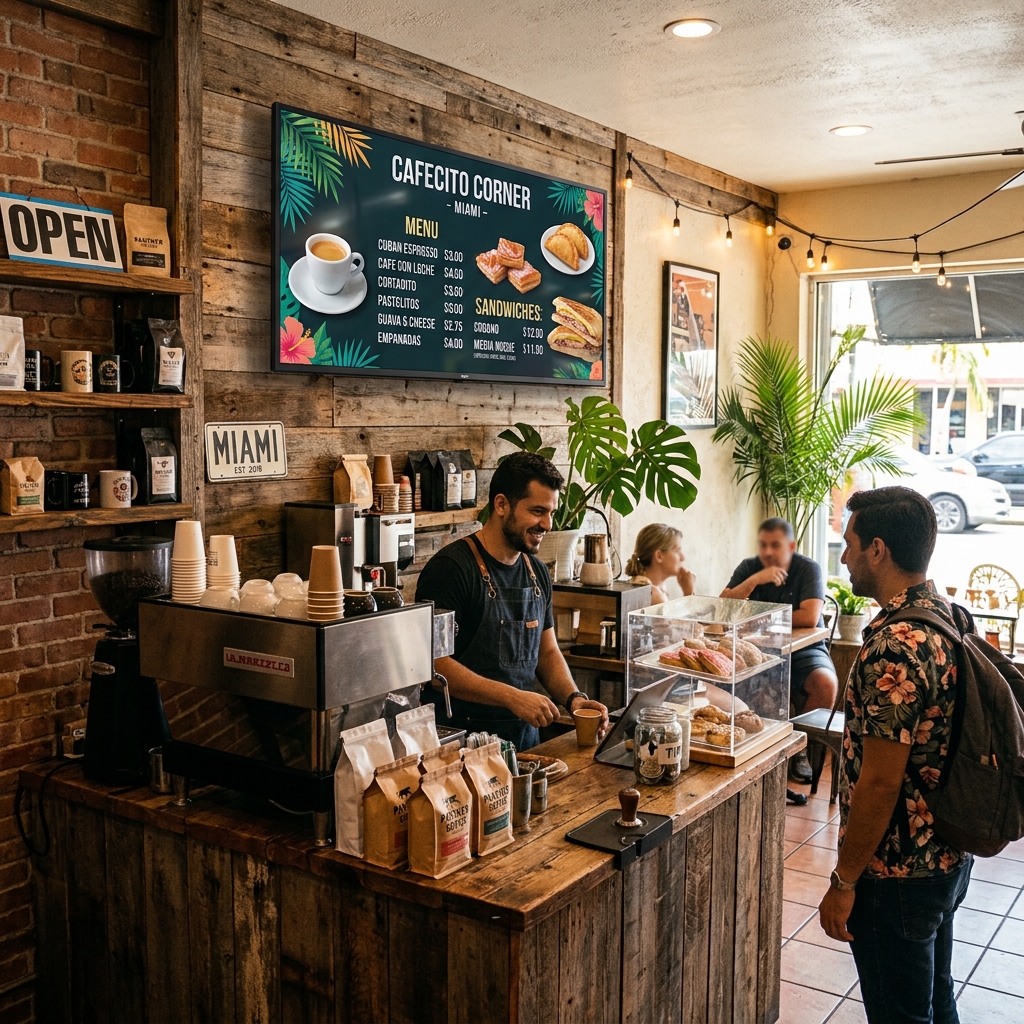
You don’t need a big storefront or a big budget to make a big impression.
When most people picture digital signage, they imagine glowing video walls in shopping malls or giant screens in flagship stores. So if you run a small boutique, a corner café, a 20-square-meter phone shop or a neighborhood bakery, it’s easy to think: “That’s not for me.”
In reality, small shops are often the ones that benefit the most. Here’s why.
1. Your space is small, so every inch has to work harder
In a small shop, you can’t hang ten posters, stack brochures on every surface and still look tidy. Wall and window space is limited, and it’s precious.
A single screen can replace dozens of printed signs. One display can rotate through your best sellers, your promotions, your opening hours and your brand story, all in the same spot. Instead of cluttering your space, you get more messages with less visual noise.
2. Motion catches the eye, and foot traffic is everything
People walking past your shop give you about two or three seconds. A static poster fades into the background. A bright, moving image does not.
A screen in your window can:
- Draw the attention of passersby who would otherwise walk straight past
- Show what’s inside before they step in
- Highlight a daily offer that gives people a reason to come in today
For a small business that lives on walk-in customers, even a small increase in people crossing the threshold can make a real difference.
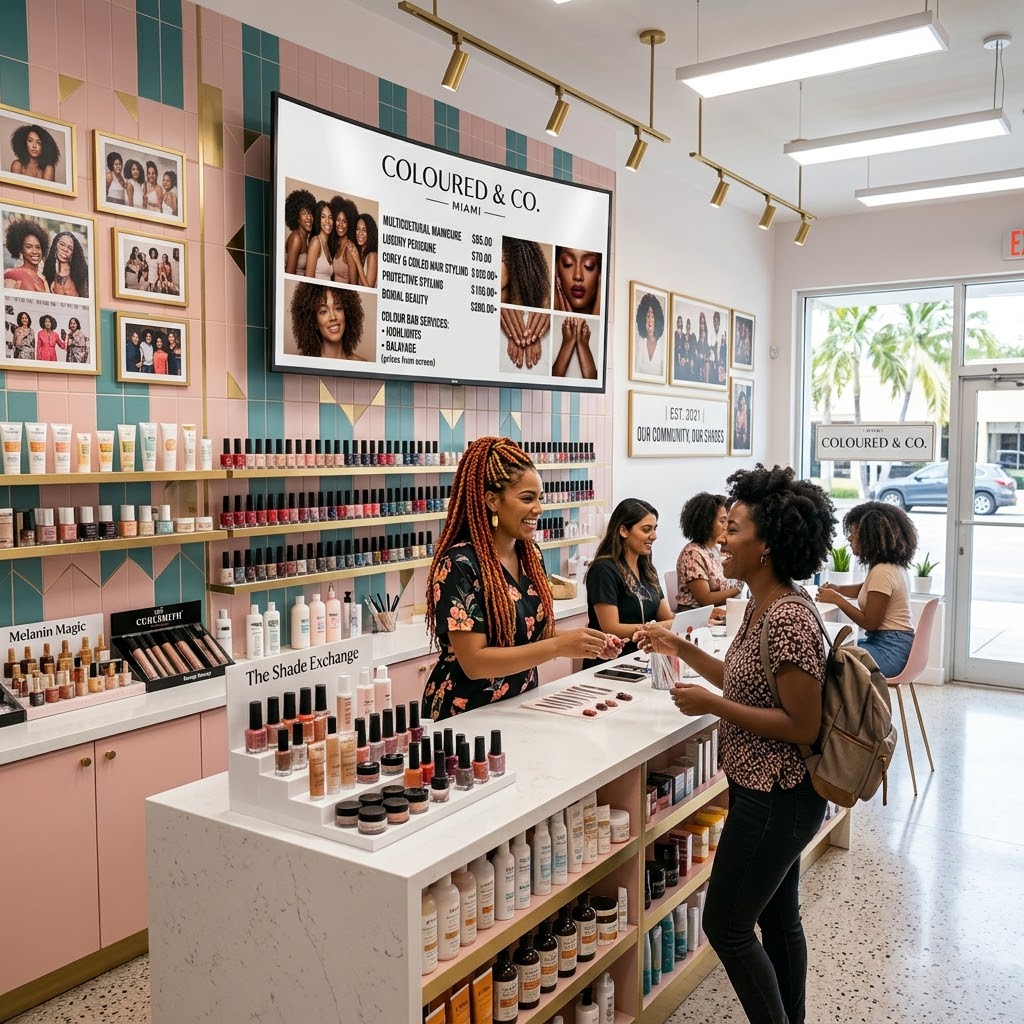
3. Change your message in seconds, not days
Think about the last time you changed a printed sign: design, print, cut, tape, repeat. And if there’s a typo or the price changes tomorrow, you start over.
With digital signage, you update your content in a few clicks, often from your phone. This means you can:
- Promote a flash sale in the afternoon
- Announce that a new product just arrived
- Switch to holiday messaging overnight
- Remove an item the moment it’s sold out
Your shop stays fresh and accurate without the printing costs or the wasted paper.
4. Boost sales with smarter in-store promotion
Many purchases are decided in the store. Digital signage lets you gently guide those decisions:
- Upselling: Show the accessory that goes with the phone, or the pastry that pairs with the coffee.
- Highlighting high-margin items: Put your most profitable products in the spotlight.
- Promoting bundles: “Buy two, save 15%” is far more persuasive when customers can see it.
- Showcasing the full range: Small shops can’t always display everything on shelves. A screen can show the rest of your catalog.
The visual format also tends to be more memorable than text on a shelf tag.
5. Look as professional as the big brands
Customers judge a shop within seconds. A clean, well-designed screen tells them that you’re modern, organized and care about details, even if you’re a one-person operation.
Consistent colors, your logo and quality images build brand recognition. Over time, that polish builds trust, and trust turns browsers into buyers and buyers into regulars.
6. Fill the waiting time
If customers ever queue, wait for a fitting room or wait for their order, a screen turns dead time into engagement. They can watch product videos, read about your story, discover loyalty offers or see customer reviews. People who feel entertained or informed feel like they’re waiting less, and they’re more likely to add an impulse purchase.
7. It’s cheaper and simpler than you think
This is the biggest myth. You no longer need expensive proprietary hardware or a technician on call.
A basic setup can be:
- A standard TV or monitor (even one you already own)
- A small media player or smart TV stick
- A simple signage app or cloud platform, many with free or low-cost monthly plans and ready-made templates
That’s it. Most small shops can get started for a few hundred dollars, and the screen often pays for itself through a handful of extra sales or by replacing recurring printing costs.
8. Tips to get started the right way
- Define one goal. More walk-ins? Higher average basket? Promoting a new service? Start with a single clear objective.
- Keep it simple. Large text, strong images, a short message. If it takes more than a few seconds to read, it’s too much.
- Use loops of 30 to 60 seconds. Short, varied content keeps people watching.
- Place the screen where eyes naturally go. Behind the counter, at eye level near the entrance, or facing the window.
- Refresh regularly. Old content makes a screen invisible. Update weekly or whenever you have news.
- Measure the result. Compare sales of promoted items before and after, and ask customers what caught their attention.
The bottom line
Digital signage isn’t a luxury reserved for big retailers. For a small shop, it’s a flexible, affordable way to stand out on the street, promote the right products, save on printing and project a professional image, all without taking up extra space.
A small shop doesn’t need to shout louder than the competition. It just needs to be seen. A single well-placed screen might be the smartest upgrade you make this year.

